

The Economics of The Creator Economy
There’s a whole world out there of content creators creating value – for the apps, for the brands, and for themselves. But tapping into that world isn’t as easy as it sounds. Think you can hire a perfect handful of creators and instantly hit your KPIs in two weeks? That would be nice, but the reality is far more complicated than that.
What Is the Creator Economy and Why Does It Matter for Brands Today?
The creator economy is an ecosystem where individuals build audiences and influence through platforms like TikTok, Instagram, and YouTube, and then they can pivot to monetize that attention because attention is the currency now. For brands, it matters because attention has shifted away from traditional media (RIP to “just run a TV spot”) and toward creators who already have established trust with their audiences. That's something brands can’t fake overnight. Winning on social media today means showing up through those voices, not just your own.
How Is the Creator Economy Changing Social Media Marketing Strategy?
Social media marketing is shifting from brand-led messaging to creator-led distribution. Translation: you’re not the main character anymore. Instead of pushing polished content from a brand account, brands now need to integrate into the flow of content people already consume. That requires thinking less like a publisher and more like a participant in culture, without coming off like a lame brand just hijacking the latest trends or popular creators. We can all tell when you got there late.
Why Are Traditional Content Marketing Approaches Failing in the Creator Economy?
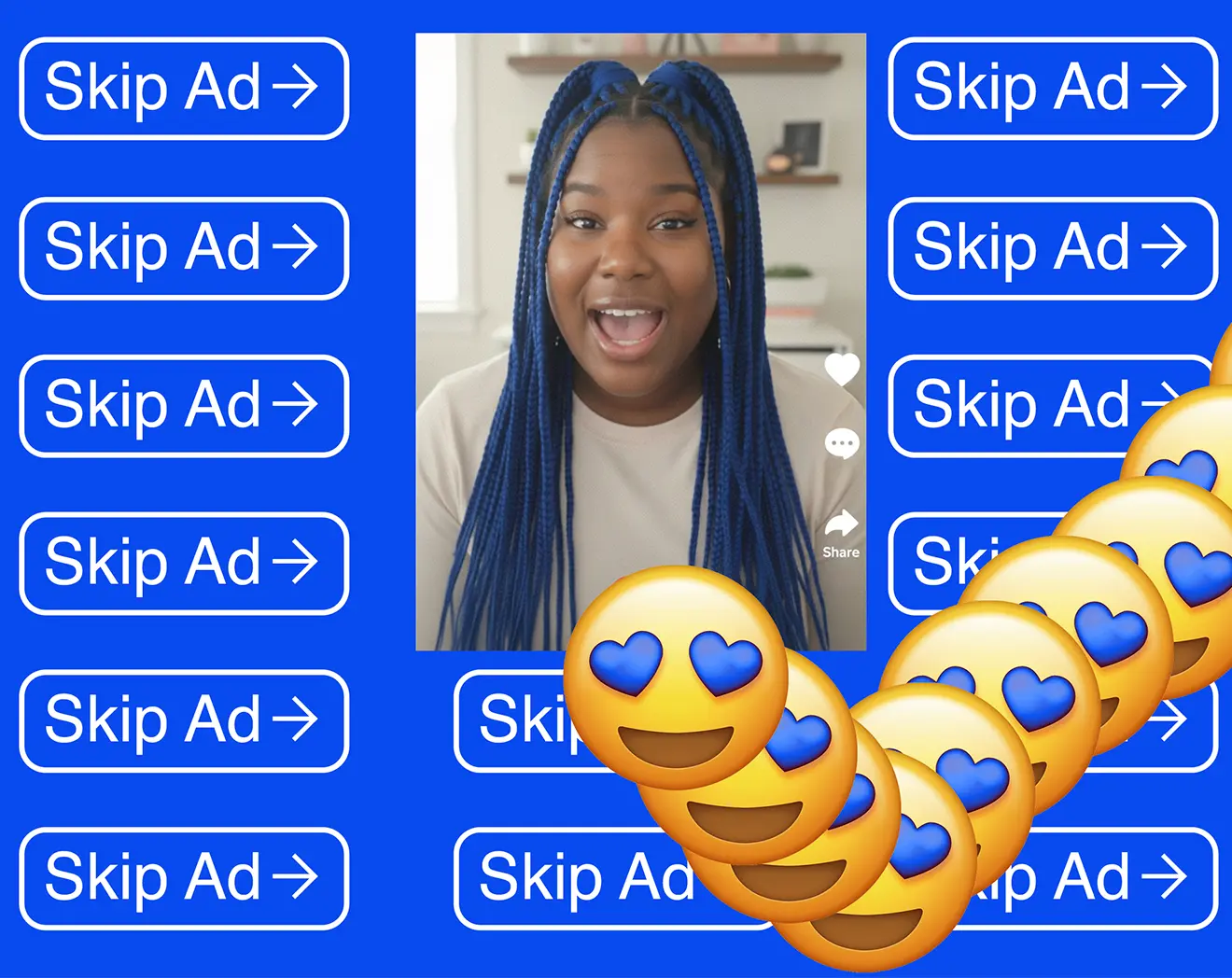
Traditional content marketing prioritizes control, consistency, and brand messaging (aka keeping everything nice and safe), but the creator economy rewards authenticity, speed, and platform-native behavior (aka actually feeling like it belongs there.) When brands apply old frameworks to creator work, the result feels forced and out of place, leading to low engagement and weak performance. Cue the “what happened?” meeting.
“I’M THE CAPTAIN NOW”
- CONTENT CREATORS TALKING TO BRANDS
How Should Brands Rethink Creator Partnerships for Better Performance?
Creators aren’t vendors, and brands need to stop treating them as such, instead thinking of them like strategic distribution partners. That means less scripting, more trust, and a focus on how creators naturally communicate with their audience; or in simpler terms, you have to let a creator be themselves— wild concept. After all, they’re the ones with great performance and lots of followers – in a lot of situations, they have way more power than you do. The goal is resonance, not a perfect message. Because perfect usually performs worse anyway.
Right now, most brands are investing in creators, but they’re doing it with the wrong operating system.Think Windows 95 energy in a TikTok world.
They brief creators like production vendors, over-script the work, and optimize for brand messaging instead of platform behavior. Then they measure success like it’s paid media: immediate conversion, post-by-post performance, short campaign windows. And then they panic when it doesn’t spike overnight.
This results in content that often looks polished while feeling out of place, with creators who don’t resonate with their own audience and campaigns that spike briefly before disappearing. It drives everyone insane to spend more, work harder, and still not see the sustained impact expected from the creator economy.
The creator economy only works when you treat it as a social-first, always-on distribution system instead of a single layer production channel. Because content alone isn’t the strategy.
How Do Creators Function as Distribution Channels, Not Just Content Producers?
Creators deliver content directly to engaged audiences who trust them — not random impressions you have to beg for. They’re not blind firing, and the best ones are fiercely protective of their personal brands. That makes them more comparable to media channels than production resources, meaning their value is much more in where and how that content shows up instead of merely what they create. The asset is just the entry point.
In our work with Grindr, the challenge wasn’t access – they had creators for days. Instead, the question was how to use them effectively within a broader social strategy (AKA not just posting and praying.) Instead of running one-off campaigns or tightly scripted briefs, we built a tiered creator ecosystem designed to function as an always-on media layer:
- Smaller creators drove trust and relatability within niche communities where people actually are
- Mid-tier creators expanded reach and reinforced key narratives (actual messaging, not just vibes)
- Larger creators legitimized the brand and scaled visibility (hello, cultural relevance!)
Less control, better results
We didn’t jettison creative direction, but we did scale it back, allowing creators to operate in native platform language and behavior while operating within defined brand systems. More importantly, we didn’t evaluate success post-by-post (goodbye, daily panic), instead focusing on cumulative impact over time. When creators don’t feel cornered or forced to make magic happen with every post (impossible brief, btw), they’re far more likely to create content that’s remembered and easily expanded upon.
The difference was clear: instead of isolated spikes, we saw sustained engagement, stronger audience resonance, and a noticeable shift in brand perception driven by repeated, consistent exposure. We helped shift the brand perception in more positive and expansive ways, and we were able to do it without stressing out about the performance of every single post. Highly recommend.
What Does Effective Use of the Creator Economy Look Like?
Creators don’t drive results with one-off posts; they drive culture with content systems. That’s the stuff that actually sticks. When your brand engages with the creator economy with this in mind, results and morale are much easier to feel good about. Here’s some practical ways to shift your attitude and actions when it comes to the creator economy:
- Stop briefing creators like production vendors with rigid scripts and brand-heavy messaging
- Start thinking of creators as an always-on distribution layer, not just content creators
- Stop measuring success on a post-by-post or campaign-only basis
- Start building a tiered creator ecosystem that balances trust, reach, and scale
- Shift your mindset from “What content are we making?” to “How are we showing up socially over time?”
The creator economy isn’t going away (sorry to anyone waiting it out), all reports indicate it’s only getting larger and louder. Are we careening towards a future with a totally decentralized economy, driven by micro-brands and the TikTok shop alone? Probably not. But that doesn’t mean you have to get left in the pre-creator economy past. Adapt now, or enjoy explaining your engagement rate in meetings.
