

Do Content Calendars Kill Creativity?
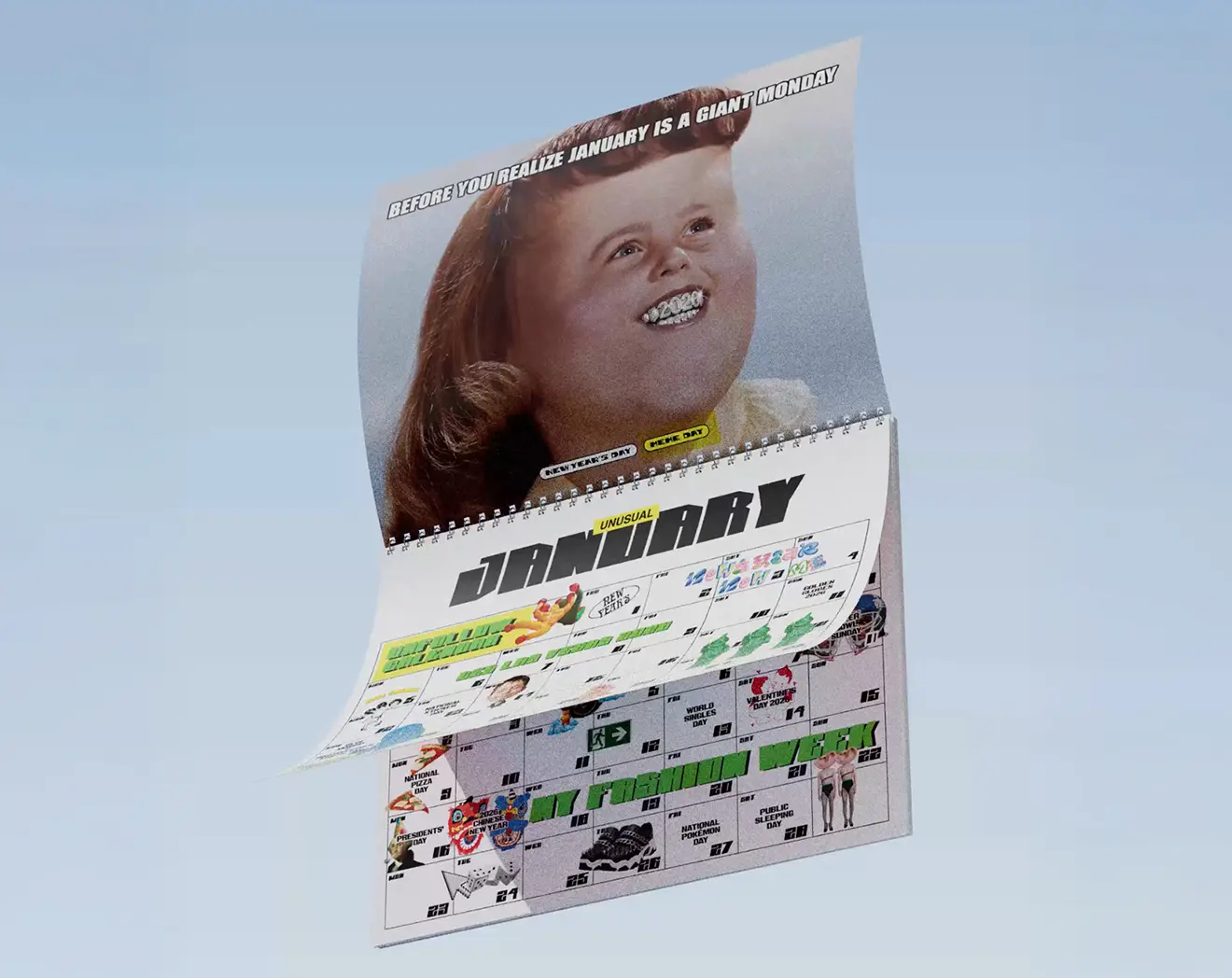
A modern social media strategy requires balancing proactive and reactive content, using a flexible content calendar that adapts to real-time trends instead of relying on rigid, pre-planned schedules. The only way to escape a stale and flat content strategy is to mix branded content with assets that feel organic and show your commitment to being embedded in the culture instead of merely responding to it. Because your calendar needs to run on culture, and culture doesn’t wait for approvals.
Why is reactive content important for brand engagement?
Right now, rigid planning is killing relevance, and modern brands need a hybrid approach that balances a traditional content calendar with real-time marketing and cultural moments. Culture (and the algorithms) move faster than any monthly plan can keep up with, and too many brands are getting left in the digital dust. The feed is hungry, and it doesn’t wait for anyone.
How do you build a social-first content calendar?
Brand strategy is the headwater for the stream that is your content. Your social media content strategy will always be downstream from your brand strategy, and it’s crucial to ensure that brand strategy and content strategy are in sync with each other, prioritizing social-forward content that’s actually useful to your brand’s goals.
A social-first brand strategy will leave your content feeling fresher and more relevant than your competitors (which, right now, isn’t exactly a high bar.) Integrating social into your brand’s strategy from the ground up won’t just mean you react to moments in culture; it’ll make cultural moments feel like they’re part of your brand instead of something you awkwardly inserted yourself into. This is the way the best brands do it; this is the way of real-time marketing.
What is real-time marketing and how does it work?
Real-time marketing is a social media and digital marketing strategy where brands create and publish content in response to current events, trend cycles, or conversations as they happen, rather than relying solely on pre-planned campaigns (wild concept, I know.) Real-time marketing works by helping brands show up in the right place, at the right time, with content that feels relevant to what people are already talking about. Unfortunately, many brands are stuck in an old habit of posting without (or perhaps too much of) a plan, running through the woods of the Gregorian calendar and assuming things will work out just by posting through it, which, spoiler alert, it won’t.
“IT DOESN’T MATTER WHEN IT GOES LIVE.”
- Me, giving you career-ending advice
How do brands get content calendars wrong?
You probably know the scenarios, and you’ve probably seen at least one this week:
A pre-planned content piece comes off awkwardly during a tense moment in the news or political climate, offending everyone because of the new context. Damn you, politics!
Perhaps a brand’s insistence on posting on a holiday doesn’t take into account that the holiday might be offensive to a large swath of their audience.
A trend that was hilarious nine days ago lands with a huge thud because it got held up in legal. Who knew lawyers were so boring?
These are the self-inflicted nightmares that weak content calendars create, and you’ve almost certainly experienced one or more of them. The truth is, most brands are still operating off a rigid social content calendar, creating safe but generic content that blends into the feed, resulting in low engagement, outdated content, and a growing gap between brands and actual cultural moments.
A modern social-first brand strategy requires balancing reactive and proactive content, prioritizing a content strategy that treats calendars as flexible frameworks instead of fixed plans. Flexible calendars and posting strategies that shift to fit the data is the way to maximize the online crowd and ride the wave rather than trying to create it from scratch. We’re talking about guidelines, not gospel.
What is the best time to post on social media for engagement?
Now. Or an hour ago. Or everyday. Or once a week. Or… it depends.
You see how confusing that is? The reality is that culture is much harder to pin down and predict than we like to think that it is, and algorithm timing is a dark art. A cliché answer is that the right time to post on social media is when your audience is on the internet. Are your followers chronically online? Posting in the mid-afternoon works well. Does your audience get outside a lot? Maybe take weekends off. Whatever social media engagement timing you need to use to get the job done is the correct timing.
How do brands plan content around cultural moments?
It is impossible to predict or plan around every specific cultural moment. If you could, you’d be running the internet, which you’re not. Unless you’re Bill Gates, in which case my only advice to you is please just let PowerPoint die already. But I digress.
The only thing you can accurately predict in advance about cultural moments on social media is that they will happen — new memes will be generated, new scandals will emerge, new microtrends will start and die before you can blink. The best social media calendar strategy is to find a few big tent events each month to plan for, and leave space in your calendar to create reactive trend content when it feels appropriate.
With V8 Energy, we saw an opening to expand the reactive and agile content to keep in step with the brand’s fresh energetic stance. After we scaled up to having a third of the content calendar be reactive content based on cultural moments and trend cycles, we saw that this agile content wildly over-indexed in high-value engagement. What does that mean in English? 2x shares, 3x impressions, and 10x saves from reactive content vs. pre-planned. We started showing up with more content that felt timely and relevant and the audience was there for it, waiting with open arms.
2x shares
3x impressions
407% increase in High-Value engagement
Can reactive content improve brand authenticity and trust?
Trend cycles come and go, and it’s important to make sure that whatever trends your brand uses are relevant and speak to your audience. A well-balanced content calendar is one that features deeply rooted branded content and real-time marketing that makes cultural moments feel like brand exercises. Your feed runs on cultural momentum; so should your content strategy.
Here’s 3 takeaways we’d recommend to anyone looking to keep their content more relevant on a monthly basis:
- Stop over-planning every post. Forget the notion that every piece of content needs to be scheduled weeks in advance, as this idea kills agility and limits reactivity.
- Track culture, not just dates. Monitor trend cycles, TikTok trends, and emerging conversations daily. The largest cultural moments often happen when you least expect them.
- Find space for the fun stuff. Fake Holidays, a week of themed posts, the random story that touches on a cultural moment your audience wouldn’t expect you to talk about: these are all content flourishes that keep you flexible and agile in ways your competitors might not be.
Cultural impact, creative flexibility, and concentrating on brand voice — yup, they all start with a C, and they’re all helpful to your brand’s social media strategy (I’d like to see ChatGPT use 3 points and an em-dash better than we can!) These simple tactics will keep your content feeling like it just came out of the pan all year long. But not in an over-cooked way; this will be more like a Gordon Ramsey soft scramble. Don’t want to react to culture and just want to keep planning every post out a month or more in advance? Fine, no problem. Just make sure when you see the other cavemen, tell them I said “Oooga Booga.”
